Some topics in mathematics can be difficult to teach in a way that engages people interactively. Andrew Krause, Adam Townsend, and I have put together VisualPDE.com to try to change this for partial differential equations (PDEs). VisualPDE simulates systems of equations at lightning speed, all in your browser, and is infinitely customisable. It's even solving a PDE right now - try clicking in the nearby square to interact with one of our examples.

Benjamin J. Walker
Associate Professor in Applied Mathematics
University College London
benjamin.walker@ucl.ac.uk
VisualPDE.com
Group
PhD students
Alexis Farman — Upscaling microscale transport models in leaves; with Adriana Dawes. Profile.Sara Drummond-Curtis — Multiscale problems in microscale swimming; with Mohit Dalwadi. Profile.Fenora David — Structured models of tumour-immune interactions; with Helen Byrne.Thomas Shaw — Modelling microswimmers and background flows; led by Eamonn Gaffney. Profile.Leif Peters — Phoretic particles at low Reynolds number; led by Christina Kurzthaler. Profile.Belindar Juma — Integrated models of the human airway; led by Nick Ovenden. Profile.
Joint supervision
Research interests

Exploration of the role of solid mechanics in biology, from influencing the growth of tumours to controlling the development of vascular networks.
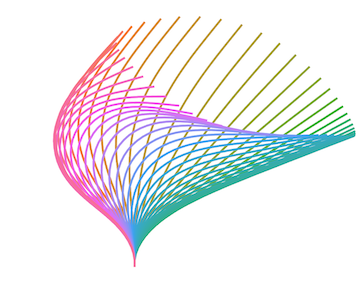
Efficient simulation of elastohydrodynamics in 2D and 3D, exploring the role and regulation of active moments in eukaryotic flagella, in addition to the responses of filaments to flow.
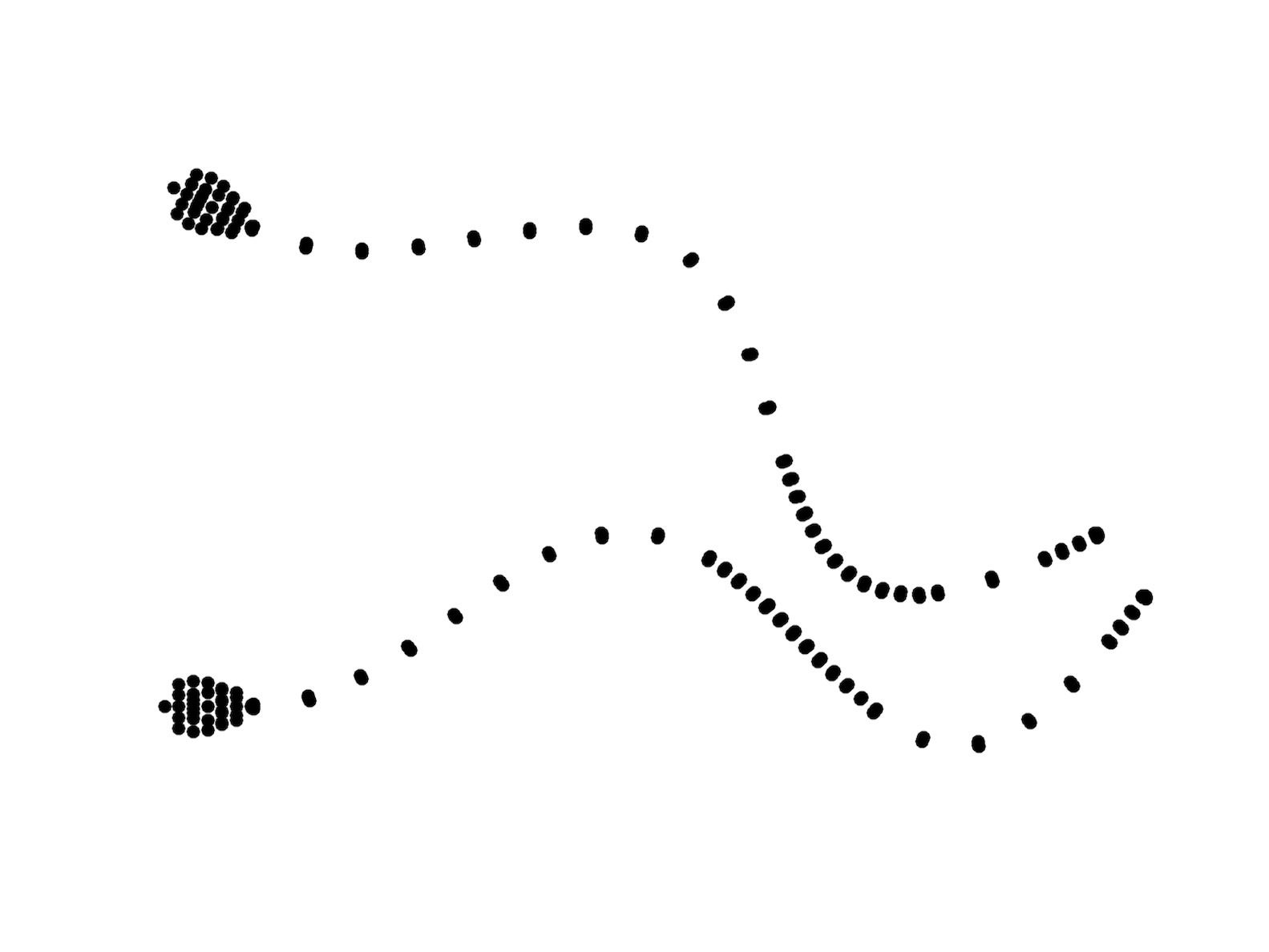
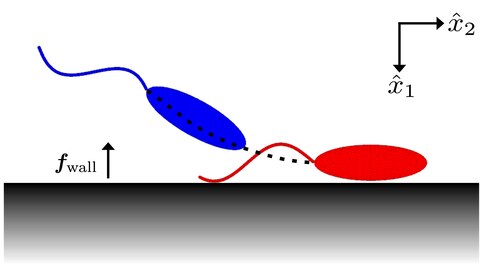
Investigation into the low Reynolds number swimming of flagellates, such as the boundary response of large-bodied Leishmania and the interactions between nearby spermatozoa.
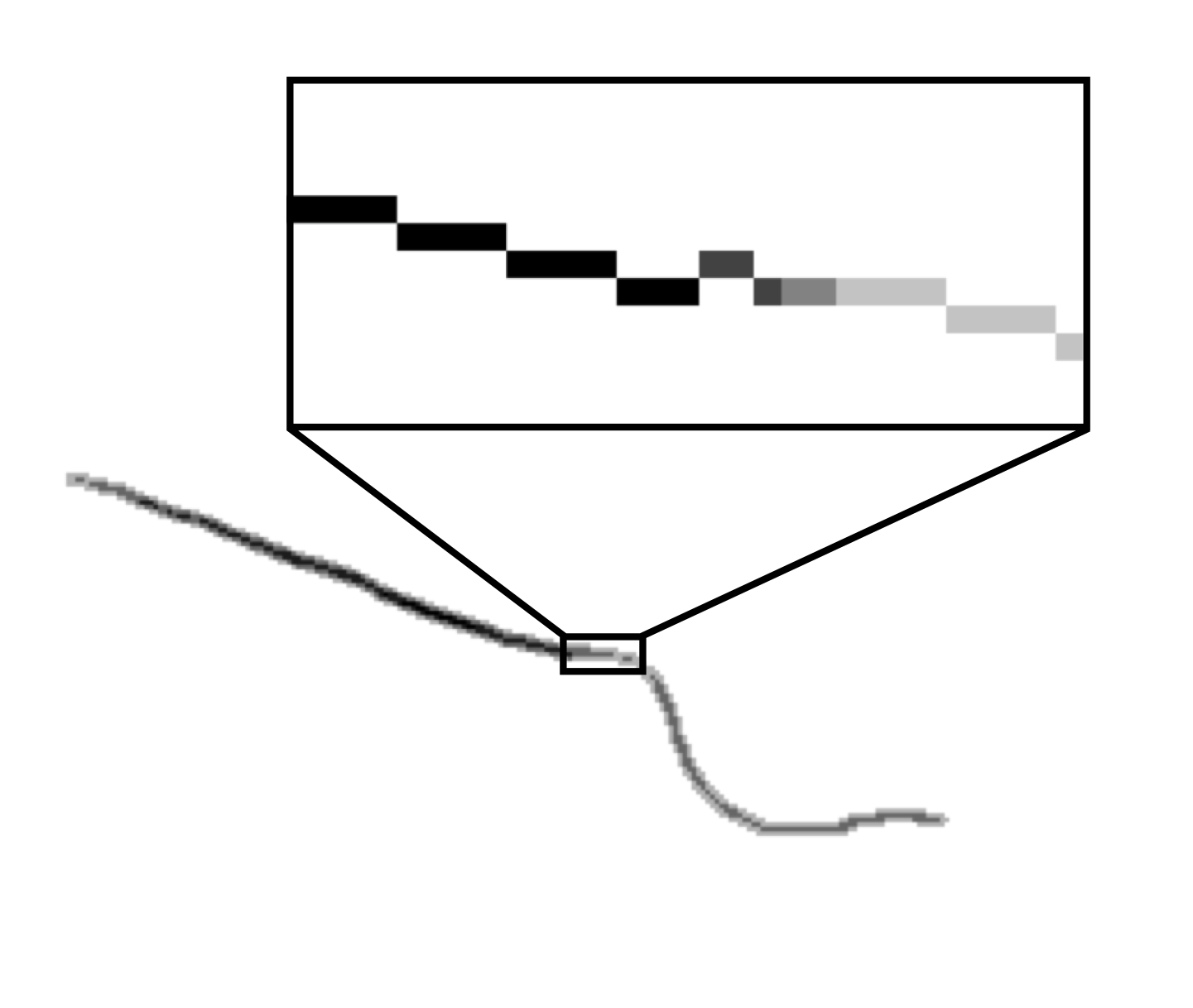
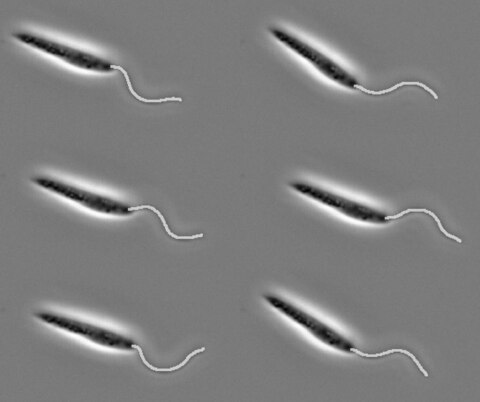
Automated processing and identification of flagella from videomicroscopy, enabling population-level waveform analysis without requiring costly researcher input. Publication and ImageJ code for flagella capture freely available here.
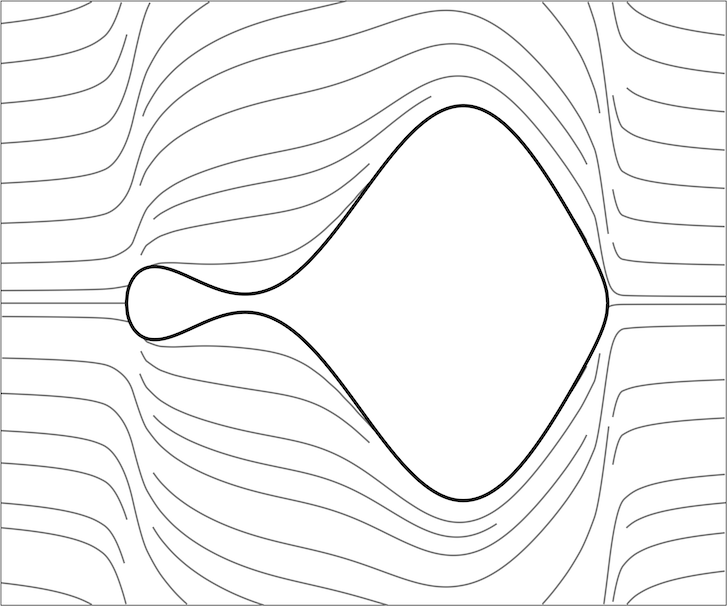
Incorporation of non-uniform body shapes and curvatures into slender-body theories via asymptotic methods, enabling simple and rapid flow field computation and further theoretical study using regularised singularities.
Research snapshot
Multiscale methods and microswimmer models
Physical Review Fluids
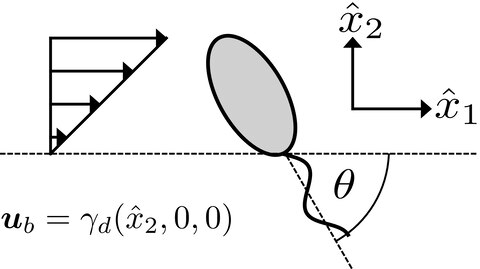
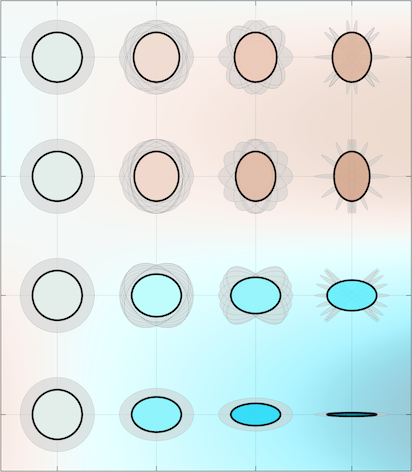
If we take a minimal model of a microswimmer and include the effects of rapid side-to-side yawing, does the prediction of the model change? Here, we find out through a simple multiple-scales analysis.
Physical Review Fluids
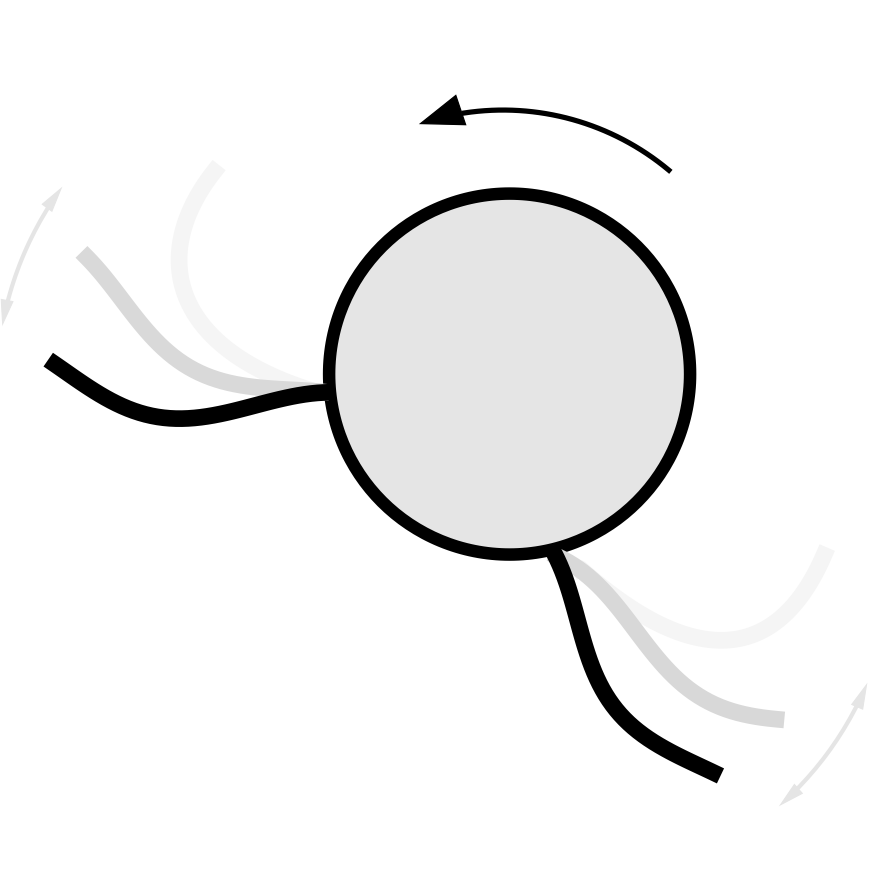
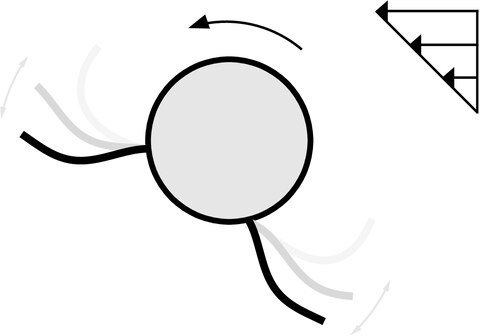
Suppose we have a swimmer that moves by rapidly changing its shape in the plane of a shear flow. Here, we show that, on average, the shape-deforming swimmer undergoes the classical orbit dynamics studied by G. B. Jeffery a century ago.
JFM Rapids and Focus on Fluids
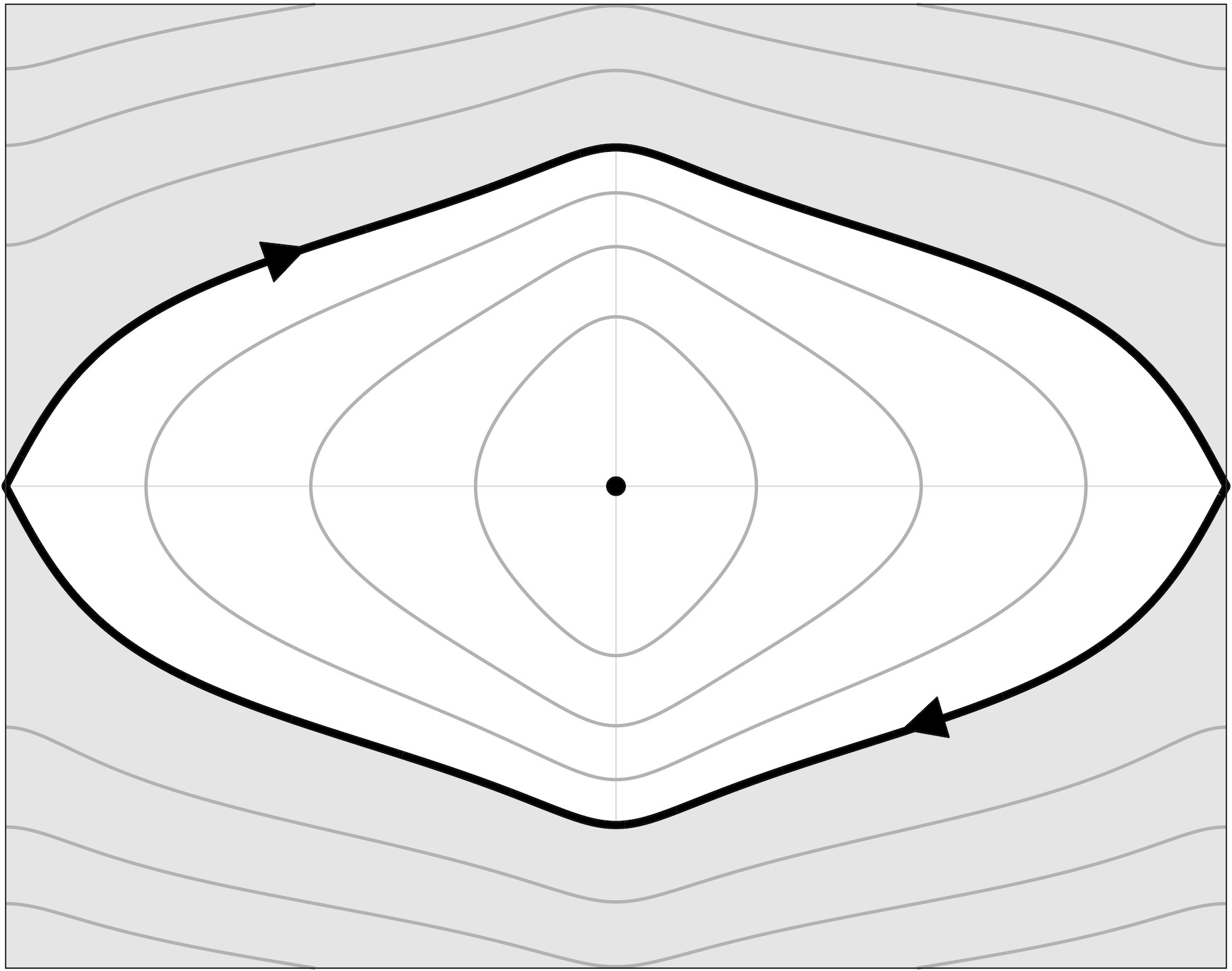
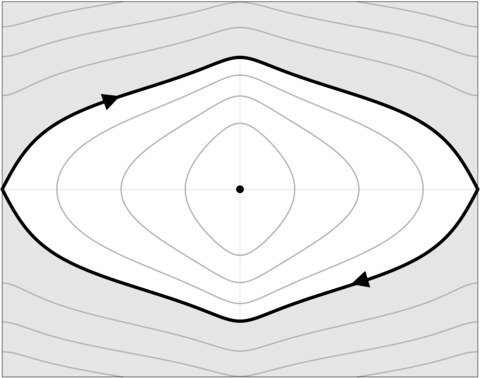
Given a simple model of a swimmer being carried by the flow in a pipe, can we deduce its long-term behaviour? Here, we avoid numerical simulation and analytically determine the eventual behaviour of the swimmer through the computation of a single swimmer-dependent constant.
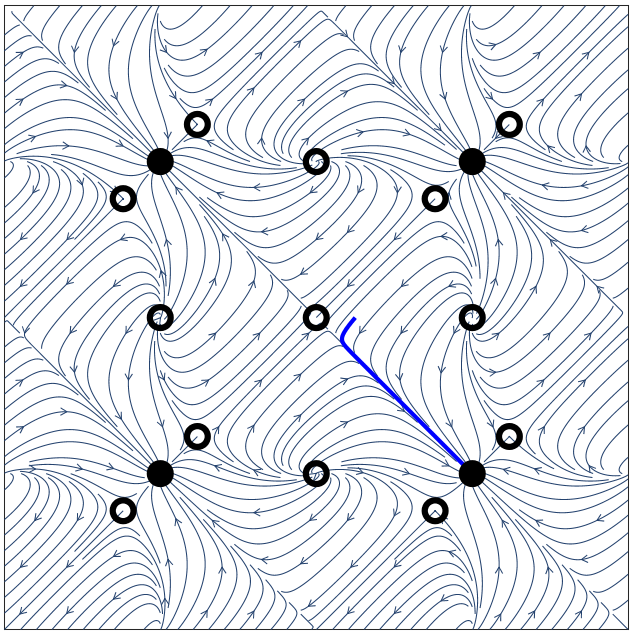
Physical Review Fluids
When we use the simplest microswimmer models to develop intuition for complex, rapidly evolving swimmers, do we have to be careful with our choice of effective parameters? Here, through minimally complex examples and simple multi-timescale analysis, we see that we must be careful even when only seeking qualitative agreement.
Publications
Google Scholar-
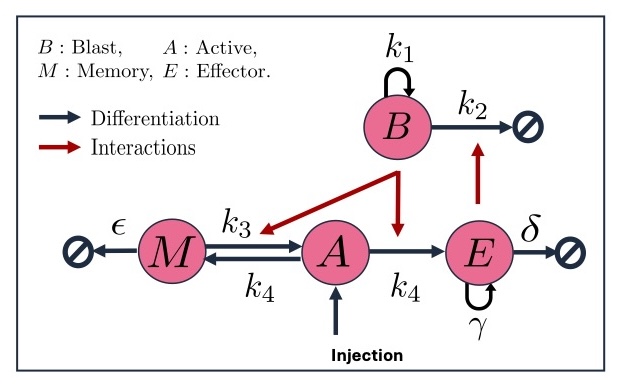
Mathematical modelling of immune persistence and relapse pathways in CAR T-cell therapy for B-ALL.
-
Far-field approximations for multi-timescale microswimmers near a boundary.
-
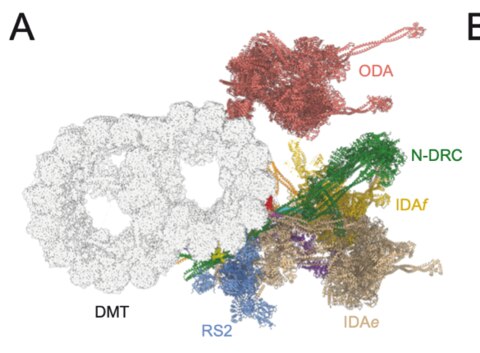
Axonemal dynein contributions to flagellar beat types and waveforms.
-
Generative AI performance in core undergraduate mathematics: a curriculum-level case study.
-
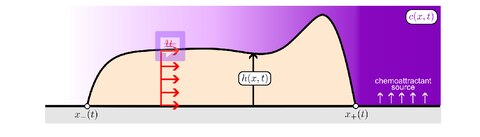
Chemotaxis of cell aggregates: morphology and dynamics of migrating active droplets.
arXiv, in press.
-
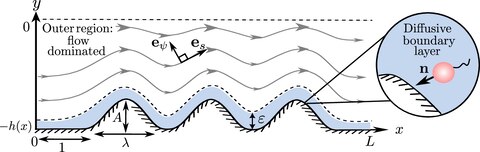
Bacterial adhesion to curved surfaces in fluid flow.
-
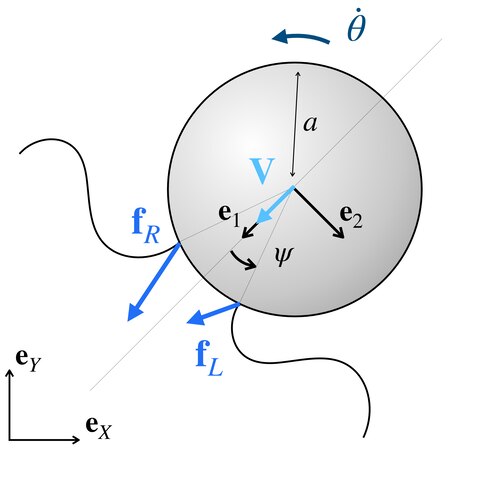
Tunable asymmetric swimming in biflagellate microswimmers.
-
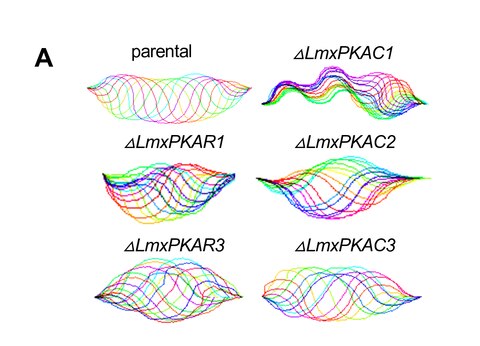
Divergent Protein Kinase A contributes to the regulation of flagellar waveforms in Leishmania mexicana.
-
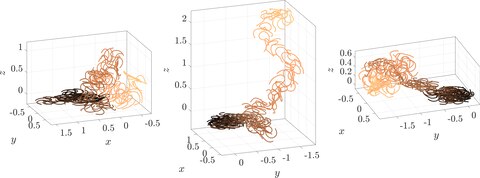
Elastohydrodynamics of three-dimensional chemically active filaments.
-
A shear-induced limit on bacterial surface adhesion in fluid flow.
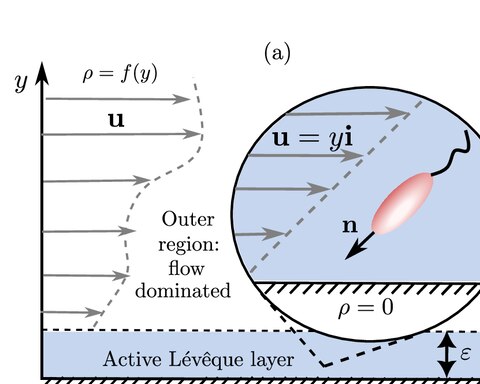
-
Motility and rotation of multiple-time-scale microswimmers in linear background flows.
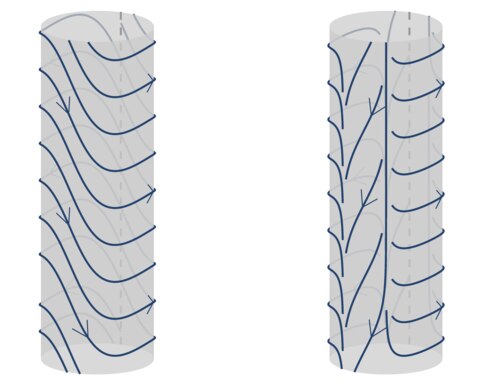
-
Ten Years of PROMYS Europe.
-
Pattern formation along signaling gradients driven by active droplet behavior of cell swarms.
-
On discretely structured growth models and their moments.
-
Proteins with proximal-distal asymmetries in axoneme localisation control flagellum beat frequency.
-
Minimal design of a synthetic cilium.
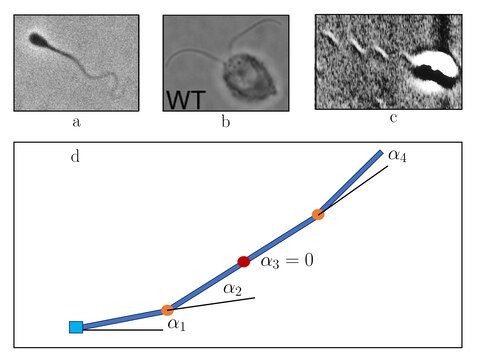
-
Interactive mathematics via VisualPDE.
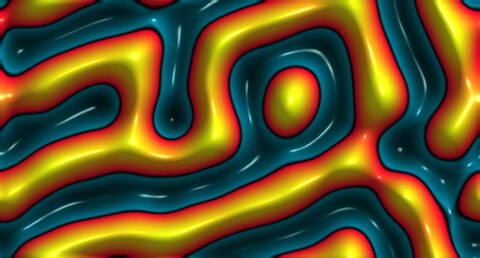
-
Turing instabilities are not enough to ensure pattern formation.
-
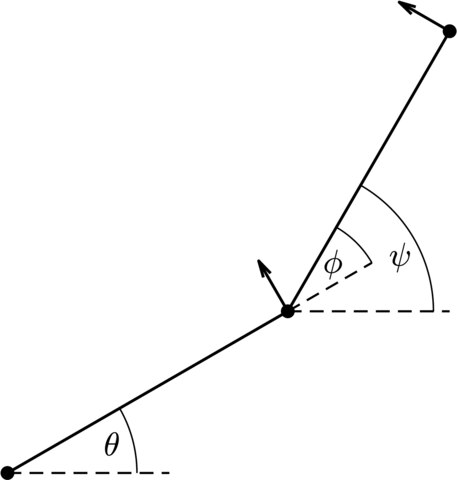
Optimal face-to-face coupling for fast self-folding kirigami.
-
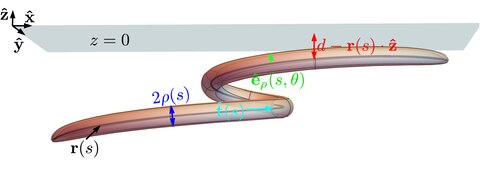
Viscous tubular-body theory for plane interfaces.
-
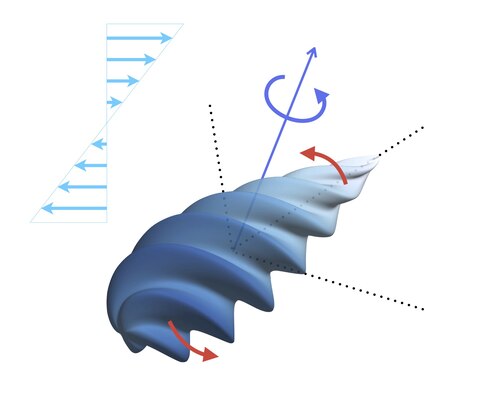
Generalised Jeffery's equations for rapidly spinning particles. Part 2: Helicoidal objects with chirality.
-
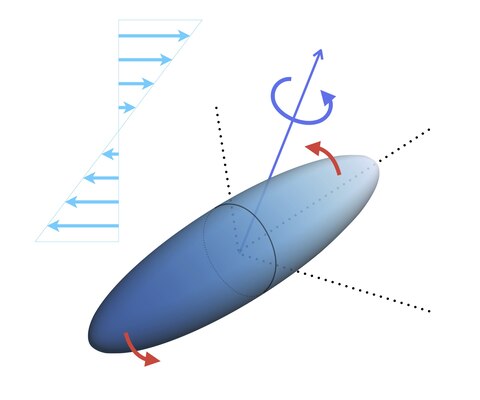
Generalised Jeffery's equations for rapidly spinning particles. Part 1: Spheroids.
-
VisualPDE: rapid interactive simulations of partial differential equations.
-
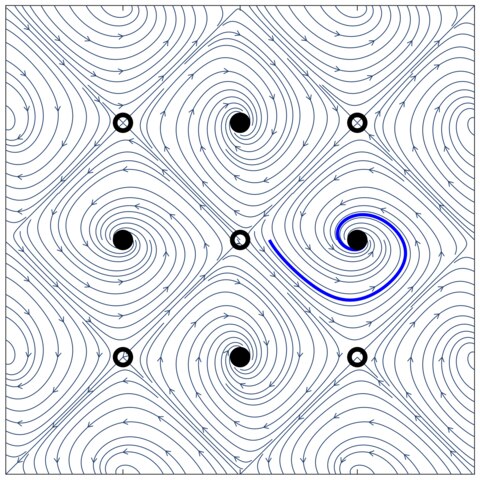
Systematic parameterisations of minimal models of microswimming.
-
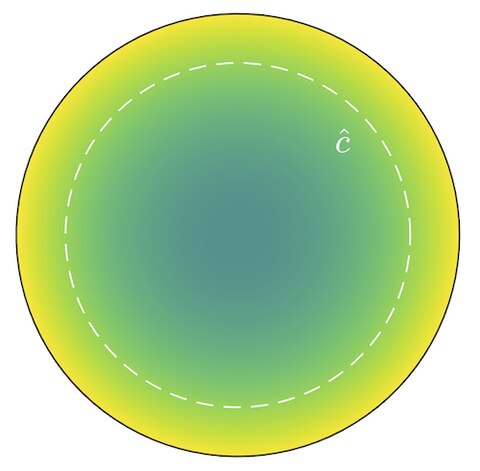
Minimal morphoelastic models of solid tumour spheroids: a tutorial.
-
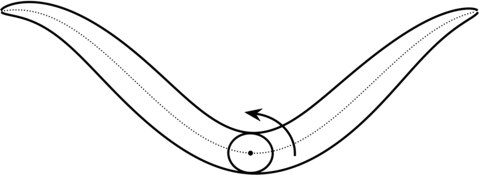
A hydrodynamic slender-body theory for local rotation at zero Reynolds number.
-
Concentration-dependent domain evolution in reaction-diffusion systems.
-
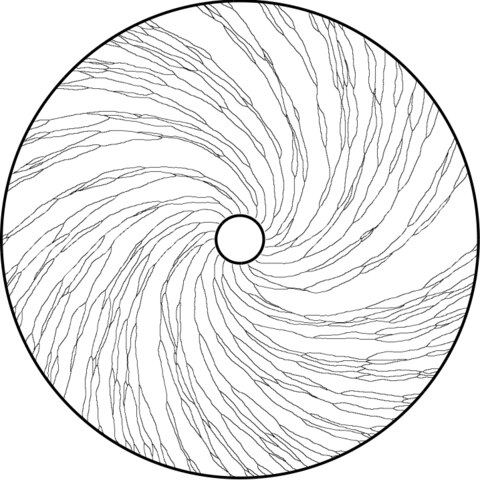
Modelling mechanically dominated vasculature development.
-
Emergent rheotaxis of shape-changing swimmers in Poiseuille flow.
-
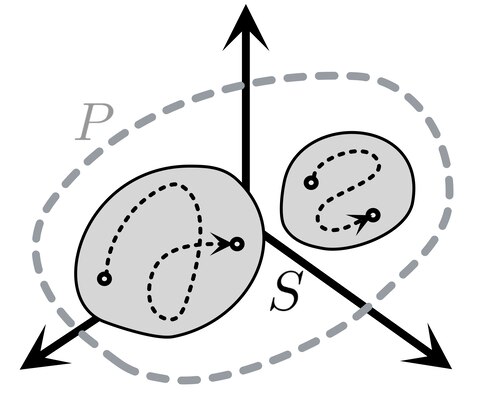
The control of particles in the Stokes limit.
-
Canonical orbits for rapidly deforming planar microswimmers in shear flow.
-
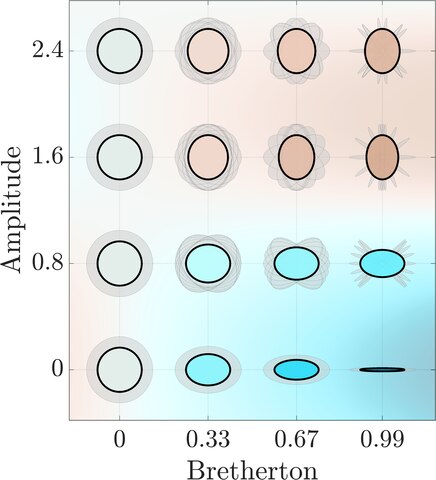
The effects of rapid yawing on simple swimmer models and planar Jeffery's orbits.
-
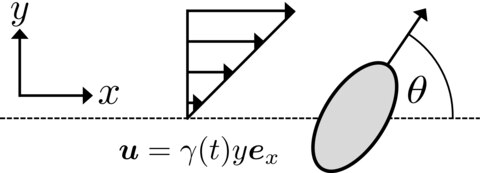
Control and controllability of microswimmers by a shearing flow.
-
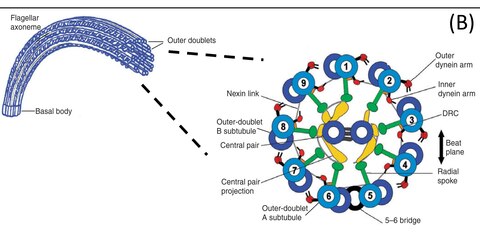
Modelling motility: the mathematics of spermatozoa.
-
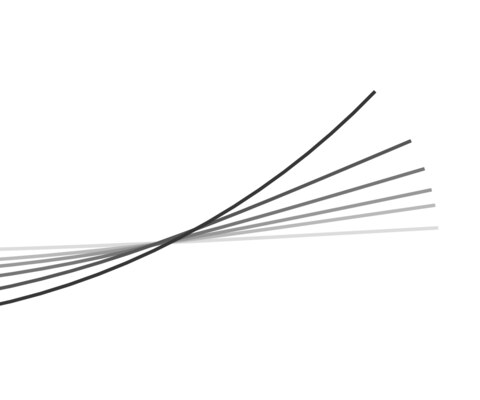
Regularised non-uniform segments and efficient no-slip elastohydrodynamics.
-
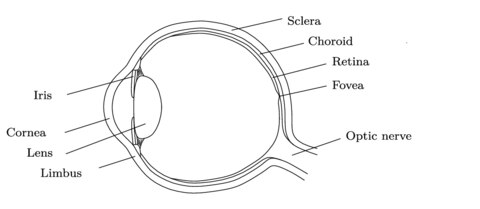
A morphoelastic shell model of the eye.
-
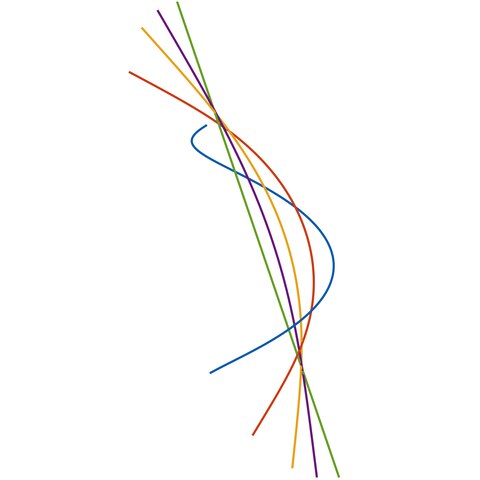
Efficient simulation of filament elastohydrodynamics in three dimensions.
-
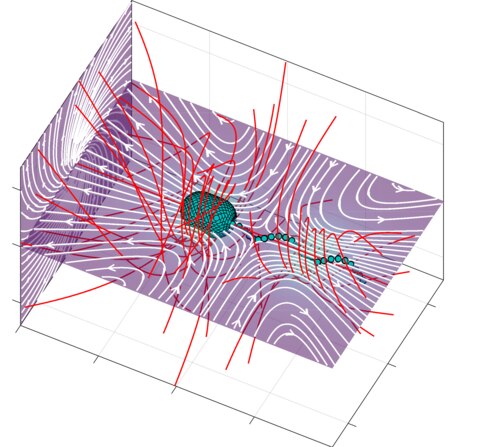
Regularized representation of bacterial hydrodynamics.
-
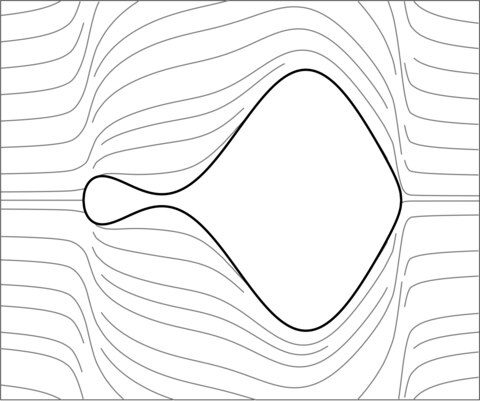
A regularised slender-body theory of non-uniform filaments.
-
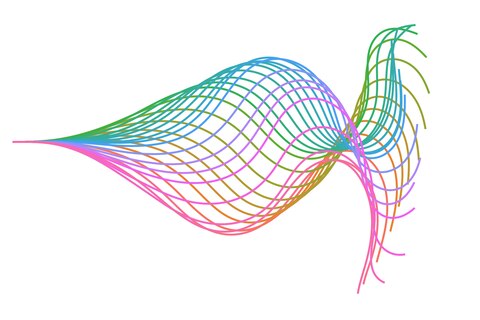
Computer-assisted beat-pattern analysis and the flagellar waveforms of bovine spermatozoa.
-
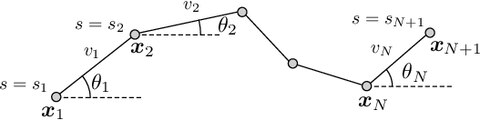
Filament mechanics in a half-space via regularised Stokeslet segments.
-
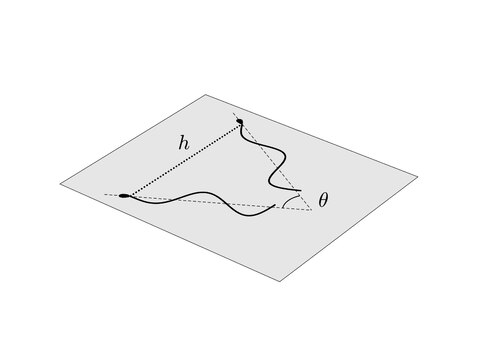
The pairwise hydrodynamic interactions of synchronized spermatozoa.
-
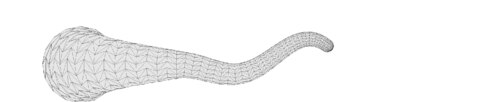
High-speed multifocal plane fluorescence microscopy for three-dimensional visualisation of beating flagella.
-
Automated identification of flagella from videomicroscopy via the medial axis transform.
-
Boundary behaviours of Leishmania mexicana: A hydrodynamic simulation study.
-
Response of monoflagellate pullers to a shearing flow: A simulation study of microswimmer guidance.